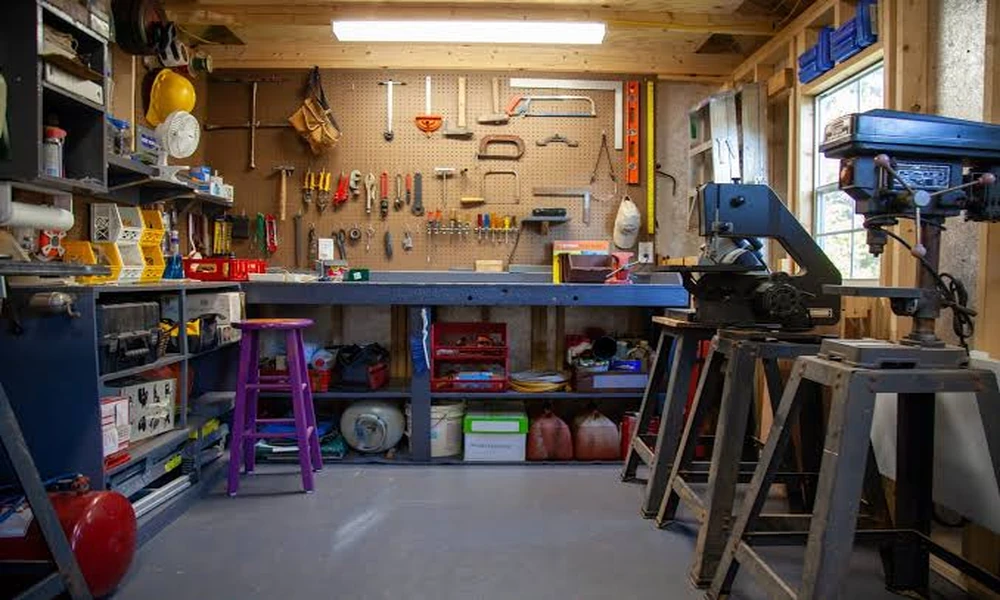

Choosing a pre-engineered shed that is too small can leave you short on storage within a short time. Choosing one that is too large may increase costs and take up valuable yard space. A little planning before buying helps you invest in a structure that fits both your property and your long-term needs.
If you’re considering a cabin shed with a covered porch, understanding how shed dimensions, porch space, and interior layout work together is just as important as selecting the overall design. Careful measurements help you choose a building that remains useful for years.
Measure the Available Space on Your Property
Start by measuring the area where the shed will be installed. Leave enough clearance around the structure for maintenance, roof overhangs, drainage, and easy access to doors and windows. Local setback requirements may also influence the maximum building size allowed on your property. Think about how you will reach the shed throughout the year. A pathway, driveway access, or room for lawn equipment can affect where the building fits best. Accurate site measurements prevent installation surprises later.
Match the Interior Space to Your Daily Needs
Think about what you plan to store or how you plan to use the shed. Lawn equipment, workshop tools, outdoor furniture, bicycles, or hobby supplies all require different amounts of floor space. Creating a simple list helps estimate the size you actually need. If the shed will serve multiple purposes, allow room for walking between stored items. Open floor space improves accessibility and makes the building easier to organize as your storage needs grow over time.
Understand How the Porch Affects the Layout
A porch adds useful outdoor space, but it also changes how the building functions. Part of the overall footprint is dedicated to the porch instead of enclosed storage, so buyers should compare interior dimensions instead of focusing only on exterior measurements. Homeowners interested in a cabin shed with a covered porch should decide how they plan to use the porch. It may become a relaxing sitting area, a sheltered entry, or a convenient place for gardening supplies and seasonal decorations.
Check Wall Height and Roof Design
Floor dimensions tell only part of the story. Wall height and roof style determine how much vertical storage is available inside the building. Taller walls provide room for shelving, cabinets, bicycles, ladders, and larger equipment without reducing usable floor space. Roof styles also influence headroom. A lofted design creates extra storage above the main floor, while higher ceilings make the building feel more open and comfortable if it will be used as a workspace or retreat.
Plan for Future Storage Needs
Storage needs rarely stay the same over the years. New equipment, outdoor furniture, tools, or recreational gear may require additional space long after the shed is installed. Buying based only on current needs can lead to overcrowding sooner than expected. Choose a size that leaves room for future growth without overwhelming your property. A little extra storage space usually proves valuable as household needs change and new projects develop.
Compare These Design Features Before Choosing a Shed Size
The overall dimensions matter, but several design details also affect how much usable space you’ll have after the shed is installed.
- Compare standard and oversized door widths based on the equipment you plan to store.
- Look for taller side walls if you plan to install shelving or storage cabinets.
- Check if the roof style allows room for a loft or overhead storage.
- Review the porch dimensions to understand how much enclosed floor space remains.
- Choose window placement that brings in natural light without reducing wall storage.
- Ask if the floor plan can be customized to suit your storage or workspace needs.
- Consider future expansion options if your storage requirements are likely to grow.
Understanding shed size involves much more than measuring length and width. Interior layout, porch space, wall height, roof design, and future storage needs all influence how useful the building will be over time. Taking time to evaluate these details before buying helps ensure your pre-engineered shed provides the right balance of storage, comfort, and flexibility for years to come.