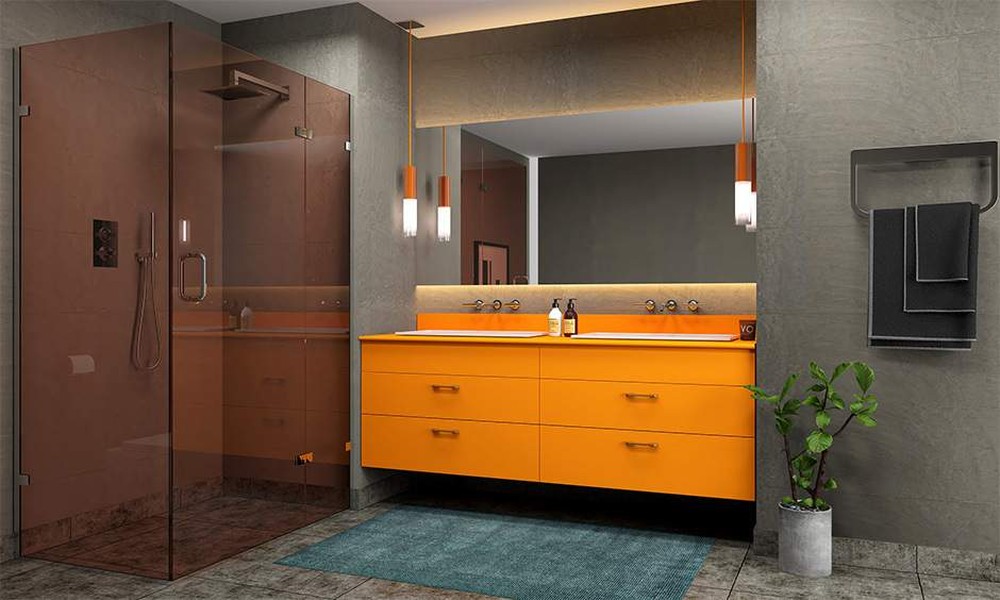

Bathroom furniture shapes comfort more than many homeowners realize. Poor layouts create congestion beside sinks and storage cabinets. Modern vanity units solve those arrangement problems. They improve organization while enhancing visual harmony across compact interiors. Designers increasingly recommend bathroom cabinet for restricted residential layouts. These models preserve movement without reducing storage capacity indoors.
How Do Vanity Units Improve Bathroom Accessibility?
Morning preparation feels smoother inside thoughtfully arranged washing spaces. Deep drawers keep grooming products hidden yet reachable afterward. Floating cabinets also create wider walking areas beneath installed basins. Elderly residents appreciate easier cleaning around elevated storage fixtures.
Accessibility depends upon fixture placement and movement clearance indoors. Oversized cabinets restrict navigation within narrow apartment bathrooms. Compact installations encourage safer movement during rushed household schedules. Families with younger children often prefer lower countertop heights.
Storage Design Influences Everyday Bathroom Efficiency
Cluttered countertops weaken both appearance and usability inside bathrooms. Scattered products create frustration during rushed weekday preparation routines. Vanity units simplify organization through concealed storage beneath sink installations.
Many homeowners prefer divided drawer compartments for better arrangement. Separate sections prevent grooming tools from mixing beside skincare containers. Textured surfaces reduce visible fingerprints around frequently touched cabinet fronts.
Popular vanity storage features include:
- Hidden electrical outlets
- Sliding interior organizers
- Moisture-resistant drawer linings
- Soft-close cabinet systems
- Compact integrated shelving
Smart storage improves convenience without overcrowding restricted interiors.
Why Smaller Bathrooms Need Smarter Vanity Placement
Limited floor dimensions demand careful furniture positioning throughout residential bathrooms. Standard cabinets often consume valuable walking space beside entryways. Corner installations preserve openness while maintaining washing functionality indoors.
Unlike bulky freestanding furniture, slimmer vanity units create balanced visual proportions. Reflective mirrors also increase perceived spaciousness within enclosed environments. Bright surfaces strengthen natural lighting across tighter residential interiors.
In studio apartments, bathroom cabinet often improves layout flexibility. Residents gain circulation space without sacrificing concealed storage underneath. Compact sink arrangements therefore support cleaner and calmer bathroom experiences.
Material Choices Affect Long-Term Bathroom Comfort
Bathrooms experience constant humidity and temperature fluctuations throughout households. Cheap surfaces deteriorate beneath repeated moisture exposure over time. Durable materials maintain structural stability while preserving visual appeal.
Quartz countertops resist scratching better than several traditional surface alternatives. Matte finishes conceal water spots around heavily used installations. Natural wood textures introduce warmth without overwhelming smaller bathroom environments.
Consider these durable vanity material choices carefully:
- Engineered stone counters
- Waterproof laminated surfaces
- Treated oak cabinetry
- Ceramic integrated basins
- Tempered glass shelving
Reliable materials reduce maintenance concerns across demanding household environments.
Stylish Layouts Create More Comfortable Daily Experiences
Beautiful bathrooms require planning beside decorative elements. Vanity units connect storage, accessibility, and movement within cohesive interior arrangements. Well-positioned installations reduce frustration during crowded family schedules.
Guests also notice organized spaces after entering residential bathrooms. Clean layouts create stronger impressions than expensive decorative accessories alone. Thoughtful furniture selection improves convenience alongside sophisticated interior presentation.
A Balanced Bathroom Feels Functional
Successful bathroom design depends upon purposeful layout decisions from the beginning. Vanity units improve organization while strengthening accessibility across modern residential interiors. Compact installations especially benefit apartments featuring limited movement space indoors. Smart organization, resilient surfaces, and thoughtful placement improve everyday convenience naturally. Carefully planned bathrooms encourage easier routines while maintaining refined interior appeal.
FAQs
Which vanity design suits smaller apartments best?
Floating cabinets and corner installations maximize limited interior dimensions. They preserve movement while maintaining concealed storage underneath.
Are wall-mounted vanity units difficult maintaining regularly?
Elevated cabinets simplify floor cleaning around restricted bathroom areas. Moisture buildup also becomes easier managing beneath floating installations afterward.
Which vanity materials resist humidity successfully indoors?
Quartz, ceramic, and treated wood surfaces handle moisture well. Proper sealing also protects cabinetry against swelling and surface discoloration.