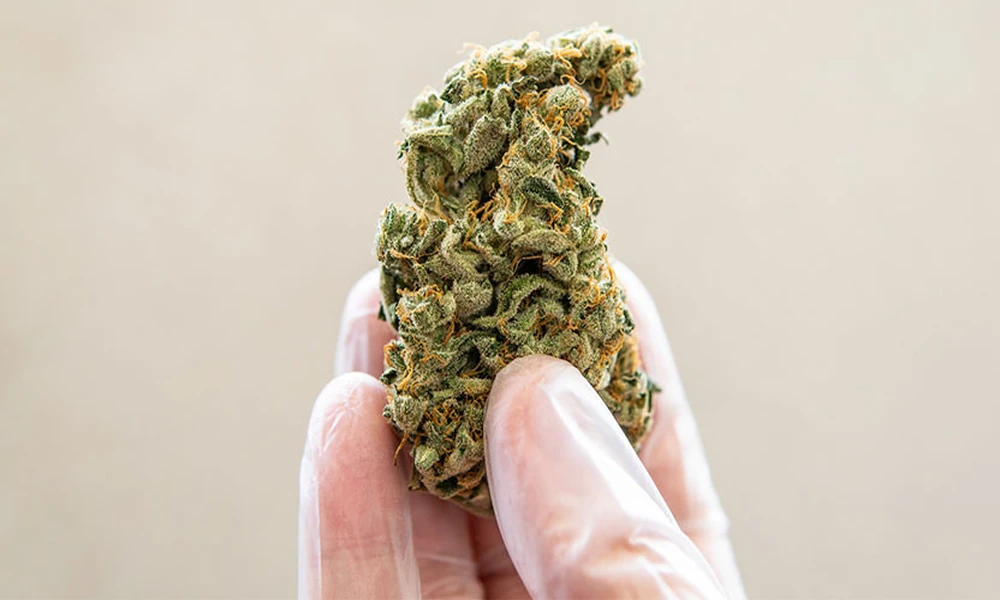

Storing THCA flower correctly preserves cannabinoid content by limiting the environmental conditions that accelerate oxidation, terpene evaporation, and trichome degradation after the curing cycle completes. At any best thca flower price point, correct storage determines how much of the original potency documented on the certificate of analysis remains intact through to the point of consumption by the buyer. Each storage variable, including container type, humidity level, light exposure, and temperature, contributes independently to the rate at which cannabinoid concentration declines from the laboratory figures recorded at the time of testing. Buyers who apply correct storage practices from the point of purchase maintain flower quality across the full intended shelf life without accelerating potency loss through avoidable environmental exposure during the storage period between receipt and use.
Glass jar priority
An airtight glass jar with an opaque or UV-filtering lid is the most effective container for preserving cannabinoid content across extended storage periods beyond initial packaging by the supplier. Glass does not interact chemically with terpene compounds the way certain plastics do, maintaining internal environment integrity from the point of sealing through the entire storage duration without material degradation. Buyers who transfer the flower from the original packaging into a properly sealed glass container at the point of receipt maintain the conditions required for cannabinoid preservation regardless of the container quality used by the original supplier during packaging and distribution of the product to the buyer.
Four storage variables
- Temperature – maintain between 15 and 21 degrees Celsius to prevent terpene volatilisation and trichome softening that accelerates resin loss from the bud surface during storage
- Relative humidity – maintain between 55 and 62 percent using two-way humidity control packets calibrated to this specific range within the sealed container throughout storage
- Light exposure – store in opaque containers or dark environments to prevent ultraviolet degradation of cannabinoid molecular bonds within trichome structures on the bud surface
- Airflow frequency – limit container opening to reduce oxygen exchange, introducing fresh oxidising agents into the sealed storage environment during routine access between purchase and consumption
UV degradation pathway
Ultraviolet light breaks molecular bonds within THCA at the trichome surface, converting cannabinoid content into less stable compounds, reducing the potency profile below the original laboratory concentration over time. Amber or opaque glass containers block ultraviolet penetration, while clear Glass or transparent plastic allows light degradation during every period the container is placed in a lit environment during storage. Buyers storing flowers in transparent containers under ambient lighting accelerate cannabinoid loss at a rate that seal quality or humidity control cannot compensate for, regardless of how precisely other storage variables are managed simultaneously throughout the storage period.
Storage beyond four weeks
Storage beyond four weeks requires consistent monitoring of humidity control packet effectiveness, container seal integrity, and any visible changes in flower colour or aroma indicating degradation progressing within the sealed environment. Humidity control packets lose effectiveness over time and require replacement before internal container humidity falls below the target range and initiates the desiccation process that fractures trichomes and releases volatile cannabinoid precursors from the bud surface. Buyers storing larger quantities should divide the flowers across multiple sealed containers rather than a single large jar, limiting oxygen exposure during each access to the portion being consumed rather than the entire stored quantity at once.
Correct storage practice preserves the cannabinoid content documented on the certificate of analysis from purchase through the full intended shelf life period. Container selection, humidity control, light protection, and access frequency each contribute independently to how much of the original potency remains intact at the point of consumption.