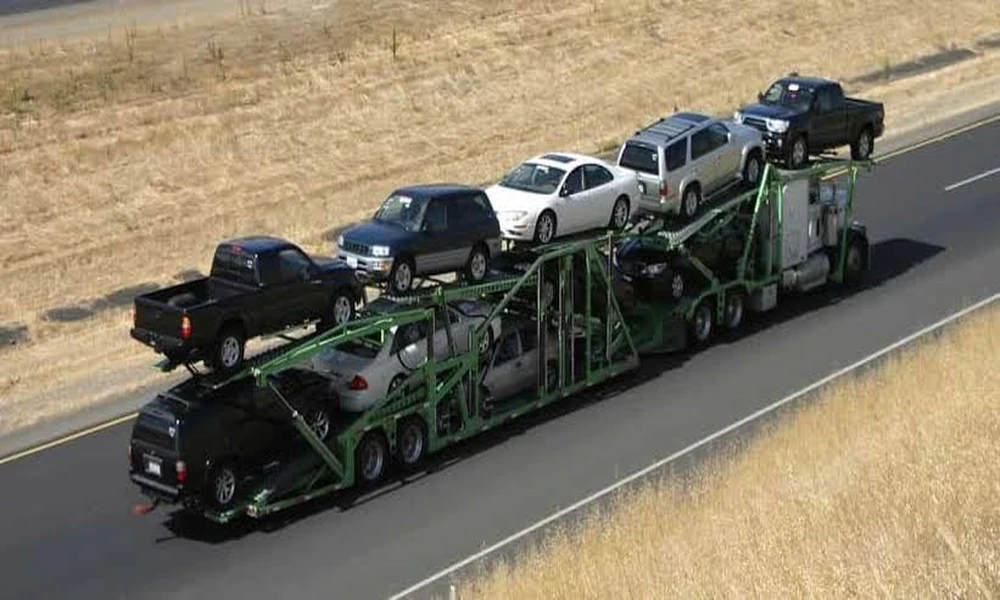

Relocating across the country involves complex logistics, and moving a vehicle is often one of the biggest considerations. Cross-country car shipping provides a practical solution for moving a vehicle long distance without adding thousands of miles of wear and tear, paying for excessive fuel, or spending days driving across state lines.
Whether you are moving for a job, purchasing a vehicle out of state, or relocating seasonally, understanding how long-distance auto transport works-and which routes are most heavily traveled-will help you plan a smooth, cost-effective shipment.
What Is Cross-Country Car Shipping?
Cross-country car shipping is the process of transporting a motor vehicle across multiple state lines or coast-to-coast using specialized commercial carriers. Instead of driving the vehicle yourself, professional auto transport companies load your vehicle onto multi-car trailers to deliver it to your destination.
Unlike short regional hauls-which typically cover a few hundred miles within the same state or adjacent regions-cross-country transit covers long distances, often ranging from 1,000 to over 3,000 miles.
The primary transport options include:
- Open Auto Transport:
- Standard multi-car carriers
- Most cost-effective option
- Best for daily drivers
- Enclosed Auto Transport:
- Fully covered trailers
- Maximum protection
- Best for luxury & classics
Major interstate corridors and metropolitan hubs experience high vehicle shipment volumes due to dense populations and constant movement between major economic regions. Pricing and delivery timelines for these shipments depend heavily on exact pickup and delivery locations, seasonal demand, and the chosen trailer type.
Why Are Some US Car Shipping Routes More Popular Than Others?
Vehicle shipping demand closely mirrors population trends, economic shifts, and seasonal migration patterns. High-volume corridors connect major metropolitan areas where carrier availability is consistently strong.
- Population Density & Job Relocations: Metropolitan areas in states like California, Texas, Florida, and New York host large populations and major employment hubs, driving high move volumes.
- Seasonal & Snowbird Migration: Tens of thousands of residents travel between northern states and sunbelt regions every winter and spring, creating heavy seasonal surges along east-to-west and north-to-south corridors.
- Military & College Moves: Frequent reassignments at military bases and seasonal student moves to out-of-state universities create steady long-distance shipping demand.
- Online Car Buying & Dealership Transfers: Digital car-buying platforms frequently require long-distance delivery from out-of-state dealerships or private sellers directly to a buyer’s driveway.
Consistent carrier activity along well-traveled interstate corridors helps stabilize scheduling options, whereas remote or rural routes often require additional coordination time and flexible drop-off arrangements.
The Most Popular Cross-Country Car Shipping Routes
While vehicle transport routes cover the entire United States, several key interstate corridors handle a significant portion of nationwide enclosed auto transport volume. Route popularity fluctuates based on seasonal migrations, local job markets, and economic trends.
California to Texas
Connecting two of the country’s most populous states, the California-to-Texas corridor is one of the most active long-distance routes in the nation. Frequent relocations between technology and industrial hubs in cities like Los Angeles, San Francisco, Austin, Dallas, and Houston drive continuous demand. Final quotes are heavily influenced by whether pickup and delivery occur in central metropolitan centers or outlying suburban ZIP codes.
California to Florida
Spanning coast-to-coast, the route from California to Florida connects major economic hubs on opposite sides of the country. This route sees high demand from long-distance corporate relocations and seasonal moves. Because transcontinental shipments cover nearly 2,500 to 3,000 miles, maintaining date flexibility during booking helps carriers secure optimal placement on open or enclosed trailers.
Florida to California
As the reverse of the transcontinental southern route, Florida-to-California transport experiences high volume year-round. Demand peaks during late spring and early summer as seasonal residents, military personnel, and families relocate westward. Planning well in advance for this heavily traveled corridor ensures better scheduling options and smoother pickup coordination.
Texas to California
The westward route from Texas to California sees steady vehicle volume from families moving for work, interstate car purchases, and commercial vehicle moves. Pricing on this route depends on vehicle size, weight, operability, and whether the driver must navigate dense city centers or open highway interchanges during pickup.
California to New York
Transporting a car between the West and East coasts requires extensive logistical planning. Spanning over 2,900 miles, the California-to-New York route crosses numerous transit zones, mountain passes, and climate conditions. Success on this route relies on setting realistic delivery timelines, preparing the vehicle thoroughly, and securing an appropriate carrier method.
Florida to New York
The northbound corridor from Florida to New York is a staple of East Coast auto transport. High volume occurs every spring as seasonal residents return north. Because demand spikes dramatically during peak months, coordinating pickup locations and lock-in dates early is essential to navigate high carrier demand.
New York to Florida
As the southbound counterpart to the East Coast corridor, New York to Florida is exceptionally busy during autumn. High demand along the Interstate 95 corridor means carriers fill trailers quickly. Providing clear access points for pickup in suburban or urban New York ensures that drivers can safely load the vehicle without experiencing narrow-street bottlenecks.
New York to California
This classic cross-country route spans from the financial and cultural hubs of the Northeast to the West Coast. Because of the vast distance involved, many vehicle owners prefer professional auto transport over driving to avoid high fuel costs, lodging expenses, and unnecessary vehicle depreciation.
What Affects the Cost of Cross-Country Car Shipping?
Auto transport pricing is dynamic-there is no fixed universal price for shipping a car across the country. Rates are calculated using several key factors:
| Pricing Factor | Impact on Shipping Cost |
| Total Distance | Overall cost increases with mileage, though the cost per mile often decreases on longer routes. |
| Location (Metro vs. Rural) | Routes between major cities are generally more cost-effective due to higher carrier concentration. |
| Vehicle Size & Weight | Larger vehicles (SUVs, trucks, vans) occupy more space and add weight, increasing rates. |
| Transport Type | Open transport is standard and affordable; enclosed transport carries a premium for added protection. |
| Vehicle Operability | Inoperable vehicles require specialized winches and loading equipment, adding to labor costs. |
| Seasonality & Demand | Peak relocation seasons and high-demand corridors raise rates due to carrier capacity limits. |
| Flexibility & Speed | Standard pickup windows are most economical; expedited or guaranteed pickup dates cost more. |
To get an accurate estimate tailored to your exact timeline and vehicle specifications, request a customized car shipping quote.
How Long Does Cross-Country Car Shipping Take?
Cross-country transit time varies based on total distance, driver safety regulations, weather conditions, and route complexity. Federal safety laws limit commercial truck drivers to a strict number of driving hours per day, which dictates baseline delivery times.
Estimated long-distance transit time windows:
- 1,000 – 1,500 Miles: 3 – 5 Days
- 1,500 – 2,500 Miles: 5 – 7 Days
- 2,500+ Miles (Coast-to-Coast): 7 – 10 Days
Note: Total transit time reflects time on the road after pickup, not the scheduling window required to assign a driver.
External factors such as severe winter weather, highway construction, urban traffic jams, and routine maintenance stops can influence actual delivery dates. It is best to avoid scheduling critical personal events or travel directly on the estimated delivery day.
Open vs. Enclosed Transport for Cross-Country Routes
Choosing between open and enclosed auto transport comes down to balancing your budget against the level of vehicle protection desired.
For standard auto types like daily drivers, an open car carrier offers a cost-efficient multi-vehicle solution. For high-value vehicles-including classic, exotic, or luxury automobiles-an enclosed carrier provides full cover and climate options.
Open Car Transport
Open carriers are the standard workhorses of the auto transport industry. Vehicles are secured on two-deck, open-air trailers carrying multiple cars simultaneously.
- Pros: Highly cost-effective, widely available, and ideal for standard daily drivers.
- Considerations: Vehicles are exposed to normal road debris, dust, rain, and weather along the route.
Review standard options throughopen auto transport services to determine if this option fits your budget and trip distance.
Enclosed Car Transport
Enclosed carriers transport vehicles inside fully covered structures, shielding them entirely from external elements.
- Pros: Complete protection from weather, road debris, and dirt; highly secure.
- Considerations: Commands a higher price point due to lower capacity per trailer.
Enclosed transport is strongly recommended for high-value automobiles, vintage models, custom builds, and luxury vehicles. Protect your high-value automobile by utilizing specializedenclosed auto transport options.
How to Prepare Your Car for Cross-Country Shipping
Proper preparation ensures a smooth inspection process and reduces the risk of transport delays.
Before Pickup
- Wash Your Car: Clean the exterior thoroughly to make scratches, dents, or chips easily visible during inspection.
- Remove Personal Belongings: Clear out all loose personal items, electronics, and valuables to minimize weight and reduce loss risks.
- Document Exterior Condition: Take clear, high-resolution photographs of the vehicle from all angles, including close-ups of any pre-existing damage.
- Check Mechanical Basics: Ensure the battery is fully charged, tires are properly inflated, and there are no active fluid leaks.
- Manage Fuel Levels: Keep the gas tank around 1/4 full. This is enough for loading and unloading while keeping the vehicle’s total shipping weight low.
- Secure Exterior Parts: Retract or remove aftermarket antennas, secure loose racks, and disable or clear toll tags/alarms.
At Pickup
- Be present for the carrier’s arrival, or assign a trusted adult as your authorized representative.
- Walk around the vehicle with the driver during the initial physical inspection.
- Review the Bill of Lading (BOL) carefully, ensuring all noted pre-existing conditions are accurate before signing.
At Delivery
- Perform a full visual inspection of the car in clear daylight before accepting final delivery.
- Compare the vehicle’s current condition against the original Bill of Lading notes made at pickup.
- Document any new damage on the delivery paperwork immediately, take fresh photos, and sign off to finalize the shipment.
Refer to a detailedvehicle preparation guide for a comprehensive pre-shipment checklist.
How to Choose a Reliable Cross-Country Auto Transport Company
Selecting an auto transport service requires evaluating safety standards, reputation, and transparency rather than relying solely on the lowest price tag.
- Verify Licensing & Registration: Ensure the broker or carrier holds active licensing with the Federal Motor Carrier Safety Administration (FMCSA) and possesses a valid USDOT number.
- Confirm Insurance Coverage: Understand the primary liability and cargo insurance coverage included with your transport rate. Ask how claims are handled should damage occur during transit.
- Check Industry Track Record: Look for established companies with proven long-distance shipping experience, verified customer feedback, and high ratings on consumer platforms.
- Evaluate Communication: Choose a company that offers clear pickup/delivery windows, accessible tracking, and responsive customer service support.
- Beware of Suspiciously Low Quotes: Disproportionately low pricing often indicates hidden fees, unverified carriers, or unreliable service commitments.
For a dependable, white-glove transport experience built on decades of long-distance moving expertise, learn about Passport Transport’s cross-country car shipping.
How the Cross-Country Car Shipping Process Works
Shipping a vehicle across state lines follows a straightforward, step-by-step workflow:
- Request a Quote: Submit your origin ZIP code, destination ZIP code, vehicle details, transport style (open or enclosed), and estimated departure date.
- Review and Schedule: Confirm pricing, lock in your preferred shipping window, and outline any custom requirements with your provider.
- Prepare the Vehicle: Wash the car, record its condition, remove personal belongings, and leave a 1/4 tank of gas.
- Vehicle Pickup: Meet the driver, complete the joint inspection, sign the Bill of Lading, and hand over the keys.
- Cross-Country Transportation: The carrier drives the assigned interstate route, keeping you updated on timeline estimates while ensuring safe vehicle delivery.
- Vehicle Delivery: Inspect the car alongside the driver at your destination, cross-reference the original BOL, sign the final delivery receipt, and accept your keys.
Review our step-by-stepcar shipping process breakdown for deeper insights into each phase of transport.
How to Make Cross-Country Car Shipping Easier
- Book Early: Reserve your shipment 2 to 3 weeks ahead of time, especially if moving during peak summer or winter migration seasons.
- Maintain Date Flexibility: Providing a 2-to-3-day pickup window gives carriers better flexibility to match your route efficiently.
- Choose Accessible Locations: If your neighborhood features narrow roads, low-hanging trees, or strict residential parking rules, offer to meet the transport truck at a nearby wide-open parking lot or highway exit.
- Keep Documents Ready: Have copies of your vehicle registration, photo ID, and keys readily accessible on pickup day.
- Communicate Changes Promptly: Notify your logistics provider immediately if your move-in dates, drop-off location, or vehicle operational status changes.
Cross-Country Car Shipping FAQs
What is the best way to ship a car across the country?
The best method depends on your vehicle type, timeline, and personal preferences. Open transport is ideal for everyday cars, offering an economical solution. Enclosed transport provides complete weather protection for high-value, classic, or exotic vehicles.
How much does it cost to ship a car across the country?
Total costs depend on total mileage, vehicle size, carrier type (open vs. enclosed), season, and fuel prices. Major metro-to-metro shipments generally offer lower per-mile rates than remote, low-density routes.
How long does it take to ship a car across the country?
Coast-to-coast shipments typically take between 7 and 10 days in transit. Shorter cross-country hauls (1,000 to 2,000 miles) generally take 3 to 7 days once loaded onto the trailer.
What are the most popular car shipping routes in the US?
Heavily traveled routes include California to Texas, California to Florida, New York to Florida, and their reverse routes. High demand along these corridors ensures regular carrier availability year-round.
Is open or enclosed transport better for cross-country shipping?
Open transport is safe, reliable, and cost-effective for daily drivers. Enclosed transport is better for rare, expensive, low-clearance, or restored vehicles that require maximum shield against road hazards and weather.
Should I drive my car or ship it across the country?
Shipping your car saves time, prevents wear and tear, and eliminates long hours on the highway. While driving may seem cheaper initially, factoring in gas, meals, hotel rooms, and vehicle depreciation often makes auto transport the more practical choice.
How far in advance should I book cross-country car shipping?
It is best to schedule your shipment 2 to 4 weeks prior to your intended move date. Booking early secures preferred pickup dates, especially during high-demand seasonal rushes.
Can I ship a non-running vehicle across the country?
Yes, non-running vehicles can be shipped. However, you must inform the transporter in advance so they can assign a carrier equipped with specialized winches and loading gear.
Can I ship personal belongings inside my car?
Most carriers prefer vehicles to be empty to comply with strict federal vehicle weight limits and safety regulations. Some carriers allow up to 100 lbs of personal items secured in the trunk, but policy details must be confirmed directly with your transport provider.
How do I prepare my car for cross-country transport?
Clean the vehicle, take photos of its pre-existing condition, remove all personal items, keep the fuel tank at 1/4 capacity, check for active fluid leaks, and ensure the battery is charged.
Have more questions? Read through our fullauto shipping FAQ page for detailed answers.
Final Checklist for Cross-Country Car Shipping
To keep your cross-country shipment on track, follow this simple operational checklist:
- [ ] Define Locations: Confirm exact pickup and delivery ZIP codes.
- [ ] Select Transport Method: Decide between standard open transport or protective enclosed transport.
- [ ] Obtain Quotes: Get a detailed estimate customized to your specific route and vehicle details.
- [ ] Verify Credentials: Check the company’s FMCSA registration, USDOT status, and customer reviews.
- [ ] Schedule Your Shipment: Secure your pickup dates well ahead of your relocation deadline.
- [ ] Clean & Inspect: Wash your vehicle and photograph any pre-existing blemishes.
- [ ] Prepare the Vehicle: Remove personal items, check tire pressures, and maintain a 1/4 tank of fuel.
- [ ] Sign Bill of Lading (Pickup): Inspect the car with the driver and review all notes before signing.
- [ ] Inspect & Accept (Delivery): Conduct a final walkaround inspection upon arrival, compare condition notes, and finalize paperwork.