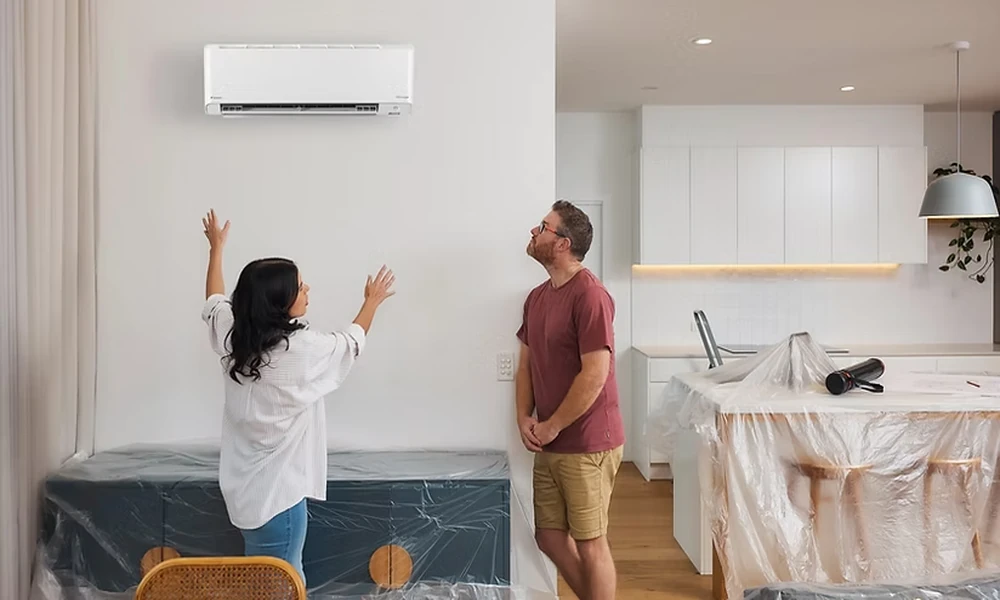

Warm afternoons can make indoor rooms difficult to achieve. An appropriate cooling unit can help maintain a stable indoor temperature. Australian homes differ in size. Room layout also affects cooling needs. Split units offer several capacity choices for different spaces. Exploring split system air conditioner options for relaxed australian homes starts with matching the unit to daily household needs.
Cooling Choices for Different Rooms
Room size should guide the cooling capacity. Small bedrooms need less output than large living areas.
Ceiling height can also affect the required capacity. Sun exposure may increase cooling demand during afternoon hours.
Room Size Shapes Cooling Needs
A suitable unit should match the area being cooled. Oversized equipment may cycle too often during normal use.
| Room Type | Typical Capacity Range | Main Consideration |
|---|---|---|
| Small bedroom | 2.0 to 2.5 kW | Limited floor area |
| Medium bedroom | 2.5 to 3.5 kW | Sun exposure |
| Living room | 3.5 to 5.0 kW | Occupancy level |
| Large open room | 5.0 kW or higher | Room volume |
Undersized equipment may run for longer periods. Accurate sizing supports steady temperature control.
Placement Supports Even Airflow
Indoor placement affects how cool air moves around the room. The indoor unit should avoid blocked areas or enclosed corners.
Outdoor equipment needs suitable ventilation around its housing. Proper positioning can support stable operation during warmer periods.
Capacity Details for Daily Use
Different homes need different cooling output. Household size also changes the demand placed on the unit.
· A compact bedroom may suit a lower capacity cooling unit.
· Larger family rooms usually require stronger cooling output.
· Sunny rooms may need additional capacity during afternoon periods.
· High ceilings can increase the volume requiring temperature control.
· Open doorways may allow cooled air to escape quickly.
· Insulated walls can help maintain indoor temperature for longer.
· Frequent room use may increase daily operating demand.
· Shaded rooms may require less cooling output during daytime.
Energy Use Shapes Household Costs
Running patterns have a direct effect on household electricity use. Temperature settings should suit the conditions rather than extreme cooling preferences.
Regular filter cleaning can help maintain airflow. Timers can also prevent unnecessary operation when rooms remain empty.
Features That Support Simple Control
Modern units commonly include temperature controls with several operating modes. Some models provide timers or sleep settings for regular household routines.
Remote controls can simplify adjustments from across the room. These functions are useful when different rooms need separate temperature settings.
Common FAQ Questions About Choosing Cooling Units Today
· What size unit suits a small bedroom? A lower capacity model usually suits compact sleeping areas.
· Does insulation affect cooling performance? Yes. Good insulation can help retain conditioned indoor air.
· Where should the indoor unit sit? A clear wall area usually supports wider air distribution.
· How often should filters receive cleaning? Check them regularly during periods of frequent daily operation.
· Does room sunlight affect capacity needs? Strong afternoon sunlight can increase cooling demand noticeably.
· Are timers useful for regular household routines? Timers can reduce operation during periods when rooms remain unused.
Maintenance Keeps Operation Steady
Clean filters allow air to pass through the indoor unit more easily. Blocked filters may reduce airflow during regular use.
Outdoor areas should remain free from leaves or stored items. Routine servicing can identify developing problems before they affect normal operation.
Matching Units with Household Routines
A practical choice should reflect room size plus daily usage. Some households need cooling for short periods. Others operate the unit throughout much of the day.
When comparing a split system air conditioner, consider capacity first. Then review controls plus running patterns. A balanced selection can support reliable indoor temperature management.
Sensible Selection Supports Lasting Comfort
Good cooling starts with accurate room assessment. Capacity should suit the space rather than simply choosing the largest available unit.
Placement matters for airflow. Regular care also supports consistent operation. A sensible decision comes from matching equipment to actual household needs.
Exploring Split System Air Conditioner Options for Comfortable Australian Homes