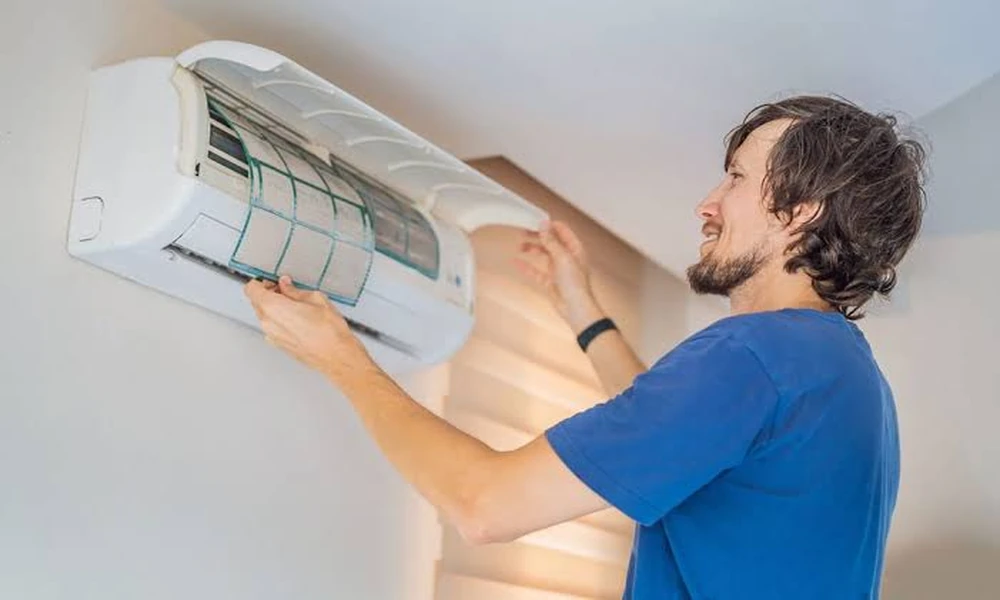

Dust and airborne allergens can affect indoor air quality, making homes less comfortable for people with allergies, asthma, or other respiratory sensitivities. Common indoor particles include dust, pollen, pet dander, and mould spores. Although regular cleaning helps control these pollutants, some particles remain suspended in the air and circulate through heating and cooling systems.
Improving indoor air quality requires a combination of effective filtration, regular maintenance, and sensible household habits. Homeowners considering air filtration and purification in Milton, WI can benefit from understanding how filtration systems capture particles and reduce their circulation. Choosing suitable equipment and maintaining it properly can help create a cleaner, more comfortable indoor environment.
Understand Where Household Dust and Allergens Come From
Indoor dust contains a mixture of fibres, skin particles, soil, pollen, and other materials brought inside through everyday activities. Carpets, upholstered furniture, bedding, and curtains can collect these particles. Walking, vacuuming, or moving furniture may release settled dust back into the air, particularly when cleaning equipment lacks effective filtration.
For households seeking air filtration and purification in Milton, WI, identifying common pollutant sources is an important starting point. Seasonal pollen, pet dander, and dust disturbed during household activities can contribute to poor indoor air quality. Understanding these sources helps homeowners select filtration methods that address their specific concerns rather than relying on general solutions.
Choose the Right Air Filter for Your Home
Heating, ventilation, and air conditioning systems often use filters to capture airborne particles before air circulates through the property. Filter performance varies according to design and efficiency. The Minimum Efficiency Reporting Value, or MERV, indicates how effectively a filter captures particles of different sizes under standardised testing conditions.
A MERV 13 filter can capture more fine particles than many basic filters, but not every heating or cooling system can accommodate its airflow resistance. Homeowners should check manufacturer recommendations before upgrading. Choosing a filter that balances particle removal with proper airflow helps maintain filtration performance without placing unnecessary strain on equipment.
Consider Portable Air Purifiers for Individual Rooms
Portable air purifiers provide additional filtration in rooms where occupants spend considerable time, including bedrooms and living areas. Models using genuine High-Efficiency Particulate Air (HEPA) filters can capture fine airborne particles, including pollen, dust, and pet allergens. Their effectiveness depends on room size, airflow, operating speed, and consistent use.
When selecting a portable purifier, consider its Clean Air Delivery Rate (CADR), which indicates how quickly it supplies filtered air for tested particle categories. Choose equipment appropriately sized for the room and position it away from obstructions. Avoid devices that intentionally generate ozone, as ozone can irritate the respiratory system.
Maintain Filters and Ventilation Equipment Regularly
Even efficient filtration equipment becomes less effective when neglected. Dust accumulation can restrict airflow through filters, affecting heating and cooling performance. Filter replacement intervals depend on the equipment, filter type, household conditions, and manufacturer guidance. Homes with pets or substantial dust exposure may require more frequent inspection and maintenance.
Homeowners should also keep supply vents and return air grilles unobstructed. Professional system inspections can identify airflow restrictions, damaged components, or maintenance problems that affect performance. Routine servicing supports efficient equipment operation and ensures filtration systems can continue capturing airborne particles as intended.
Combine Air Filtration with Effective Cleaning
Air filtration works best alongside regular household cleaning. Vacuuming carpets and upholstery with a machine fitted with effective particle filtration helps prevent dust from being released into the room. Damp dusting is generally preferable to dry dusting because it collects particles rather than simply disturbing them.
Washing bedding regularly, reducing unnecessary clutter, and cleaning frequently used surfaces can further limit allergen accumulation. Households with pets may benefit from cleaning sleeping areas and soft furnishings more often. These practical measures reduce the amount of dust entering the air, allowing filtration equipment to work more effectively.
Control Moisture and Improve Indoor Airflow
Moisture management is another important part of maintaining healthy indoor conditions. Excessive humidity encourages mould growth and supports dust mites, both of which can contribute to allergic reactions. Maintaining indoor relative humidity around 30-50% can help control these problems, provided condensation and moisture accumulation are also addressed.
Ventilation also helps remove indoor pollutants and manage moisture. Use properly vented extractor fans when cooking or bathing, and maintain suitable fresh-air ventilation where outdoor conditions allow. Filtration removes particles but does not replace adequate ventilation or eliminate every gaseous pollutant, making a combined approach particularly valuable.
Conclusion
Reducing dust and airborne allergens requires more than installing a single filter. Effective indoor air management combines appropriately rated HVAC filters, portable air purifiers where useful, routine equipment maintenance, and consistent cleaning. Managing moisture and maintaining adequate ventilation also help address conditions that contribute to indoor air quality problems.
Homeowners should begin by identifying their main sources of airborne particles and reviewing their existing filtration equipment. Choosing compatible filters, following maintenance schedules, and adopting practical cleaning habits can produce lasting improvements. A well-maintained filtration strategy is a sensible investment in a cleaner and more comfortable home.
How to Reduce Dust and Airborne Allergens with Better Home Air Filtration